

TLDR (For the Fast Reader)
Football is becoming a serious alternative asset class, not just entertainment.
Sovereign wealth funds (especially Saudi Arabia) are using football to build soft power, national branding and long-term economic influence.
There is growing scarcity in football assets, meaning valuations will continue to rise.
Regulation is tightening, which increases the importance of governance.
Retail investors with £1k–£1m can now enter the sports investment landscape but they need clear, accessible insight to compete with institutional players.
Field Vision exists to provide that intelligence, translating complex geopolitical and regulatory trends into practical insights and guidance.
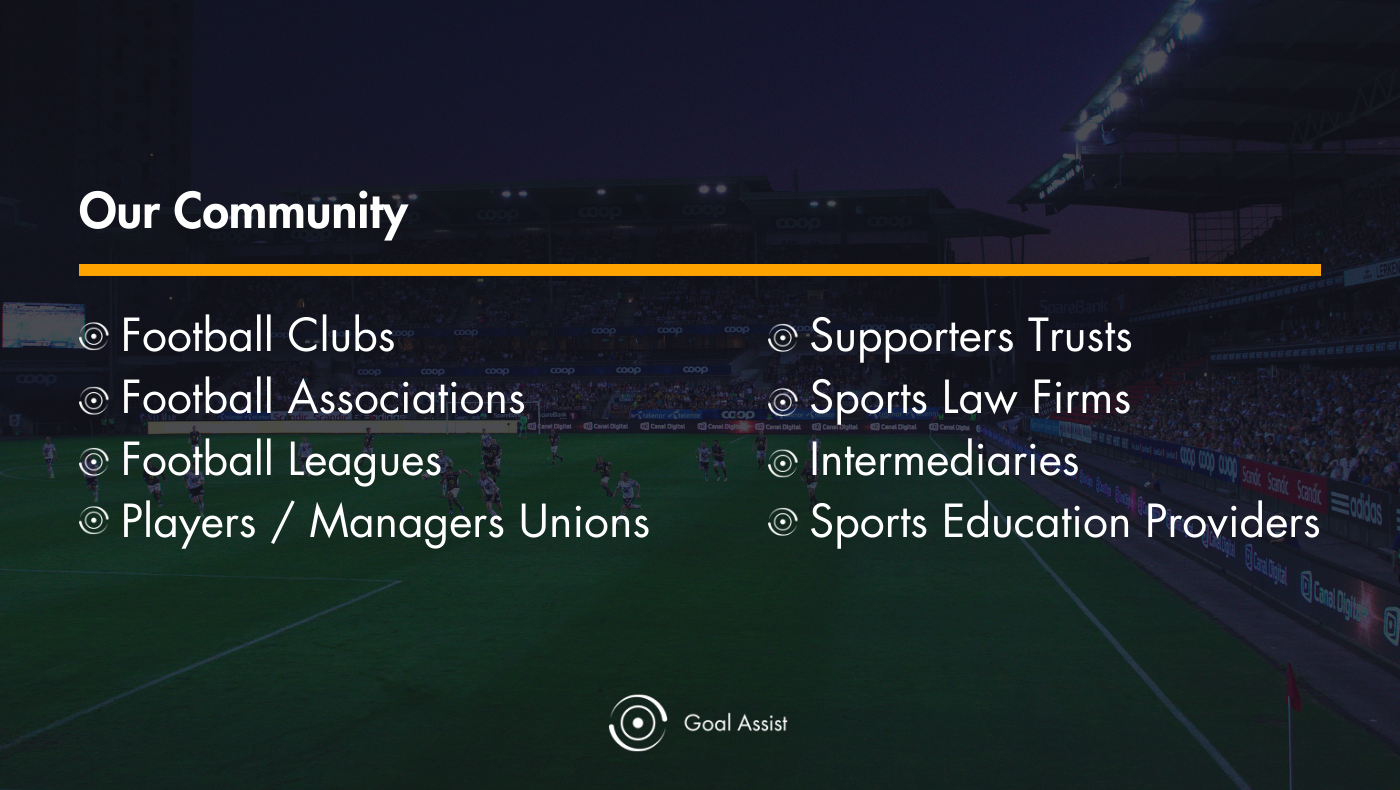
Before we get to the juicy stuff. Field Vision is happy to announce its partnership with Goal Assist.
Whether you’re building a career, growing a business, or offering a service to clubs, your income is tied to your access, relationships, and visibility.
Hello Hi Visionaries!
Football is quietly transforming into one of the world’s most compelling alternative assets. For institutional investors, it’s becoming a strategic entry point into global influence. For retail investors, the individuals with £1,000 to £1 million to deploy, it represents a market full of opportunities but lacking transparent, digestible insight.
This is why I analyse football the same way you would analyse a commodity: understand the supply, the demand, the regulation, the geopolitical flows and the risk signals. When you treat football like a structured asset class rather than entertainment, patterns begin to appear. And those patterns tell you where the smart money is moving.
A. Market Context — What’s Happening Now
Football has seen a shift in ownership dynamics. Sovereign wealth funds from the Gulf entered into Europe. Regulators in the UK and EU are tightening transparency rules. Stadium districts are being positioned as national branding infrastructure. Digital rights, everything from fan data to virtual assets are being valued as long-term revenue engines.
The net effect is simple: football is no longer just a sport. It is a geopolitical asset that governments and large institutions are positioning around their long-term national interests.

Why Saudi Arabia Is Turning Football Into a National Commodity
Saudi Arabia’s strategy is particularly clear and deserves its own analysis.
Saudi Arabia does not simply want to buy football assets. It wants to develop football as a national commodity, similar to how:
the Premier League became the UK’s most powerful cultural export
Hollywood became an American soft-power engine
Formula 1 became a global economic showcase
Saudi’s vision is long-term:
1. Develop domestic football into a global export
The Pro League is being subtly repositioned as a future global entertainment product, drawing on national branding and international stars.
2. Build talent pipelines and national expertise
Investment in academies, coaching education and sports science creates both jobs and intellectual capital.
3. Integrate football with tourism and mega-events
Sport becomes a gateway to attract global visitors, similar to how Dubai used real estate and events to build international appeal.
4. Position football as an economic diversification tool
This aligns perfectly with Vision 2030. Football develops adjacent sectors: media, data technology, hospitality, retail, infrastructure and entertainment.
5. Build soft-power influence
Football allows Saudi Arabia to shape global narratives, build partnerships and command cultural attention.
In essence:
Saudi Arabia is trying to create its own “Premier League effect” — a national product that becomes a global commodity.
And because they have the capital, the demographic growth and the strategic horizon, this is not unrealistic.
B. Drivers and Forces Behind the Trend
1. Capital Flows — Who’s Entering and Why
The most influential investors entering football today are sovereign wealth funds (SWFs). Their goals differ from private equity, who chase returns over specific time horizons, and from US investors, who leverage media rights and commercial optimisation.
SWFs use football as:
a soft-power tool
a tourism engine
a diplomatic asset
a way to influence cultural narratives
a strategic investment aligned with national economic goals
They can deploy patient capital and are not limited by short-term return cycles. That gives them an advantage over traditional investors.
At the same time:
private equity is becoming more selective
VC investment is shifting to tech-driven sports assets
Asian capital is re-emerging in youth development and media rights
emerging markets are using football stakes to support domestic sport ambitions
The key insight is that state-backed capital is not price-sensitive. It is purpose-driven.
This is the biggest structural change in football’s investment landscape in decades.

2. Asset Supply — Why Football Is Scarce
Football is a classic scarce asset class. There are only so many clubs available, and even fewer with deep global fanbases, historic legitimacy and brand power.
SWFs are targeting not just clubs but the entire value chain:
academies and talent pipelines
stadium property and real estate districts
media and data rights libraries
digital assets such as fan tokens
receivables like player-contract financing and stadium bonds
What makes these assets attractive is the combination of scarcity, cultural relevance and global visibility.
Scarcity is the same reason gold, art and iconic real estate become long-term stores of value. Football is now joining that group.
3. Asset Demand — What Investors Are Actually Buying
When SWFs and institutional investors buy into football, they aren’t just buying teams. They are buying:
global brand equity
access to worldwide fan markets
international reputation
competitive performance
hospitality and tourism opportunities
long-term prestige
This is why football, unlike normal consumer entertainment, has outsized influence. It shapes identity, culture and politics. That is why governments find it irresistible.
For retail investors, this creates a unique opportunity: the ability to tap into a market traditionally reserved for the world’s most powerful institutions, as long as the insight is understandable and actionable.
That’s where Field Vision comes in — translating institutional-grade analysis into accessible intelligence.

4. Regulatory Forces — The New Rulebook
Football is becoming more regulated, not less. That is good for investors who understand the landscape.
Key developments include:
the Independent Football Regulator in the UK
stronger UEFA financial sustainability rules
stricter beneficial ownership checks
EU AMLD6 bringing football closer to financial-sector expectations
sanctions environments influencing the acceptability of state-linked money
new tax structures influencing player mobility
Regulation is shaping value, just as it does in oil, gas, metals and financial markets.
Investors who can navigate this complexity will gain a real advantage.
5. Financial Crime and Governance Risks — The Blind Spot
This is the area where most investors lack confidence, and where football is most vulnerable.
Risks include:
opaque ownership structures
politically exposed persons (PEPs)
capital routed through secrecy jurisdictions
related-party transfers across multi-club groups
inflated valuations masking value extraction
weak governance functions inside clubs
crypto-linked sponsorships without adequate AML controls
From my background in commodities and global markets, these patterns are familiar. Football is experiencing the same risk landscape that energy, metals and shipping faced before their regulation tightened.
Retail investors almost never see these risks clearly. Institutional investors do. Field Vision exists to bridge that gap.
C. Impact on Football’s Asset Map
These forces directly influence how football assets behave:
Club valuations are rising because SWFs create price floors.
Player trading is becoming more political and less purely market-driven.
Media rights continue to grow due to global interest.
Stadium investments are becoming multi-decade real-estate projects.
Sponsorship is shifting towards state-owned brands and national campaigns.
Liquidity is rising at the top of the pyramid but weakening at the middle.
Risk-adjusted returns require a geopolitical lens to understand properly.
To invest in football — whether you’re a sovereign fund or a retail investor with £5,000 — you must understand these forces.
D. Winners and Losers in This New Landscape
Winners
well-governed clubs
leagues with strong regulatory credibility
nations building tourism and sports economies
talent-producing regions (Africa, South America, Balkans)
investors focused on stadiums, districts and media technology
Losers
clubs with poor governance
regions behind on regulation
mid-tier leagues where valuations have overheated
talent markets inflated beyond sustainable value
private investors who rely on short-term returns
E. Forward Outlook — The Next Phase
3–12 Months
more SWF acquisitions and digital partnerships
stricter ownership scrutiny in the UK and EU
accelerating stadium district developments
more political debate over state investment in football
3–5 Years
football becomes a recognised geopolitical asset class
club districts become tourism, retail and entertainment hubs
data rights become highly regulated, high-value assets
undervalued leagues rise as SWFs diversify
Scenarios
Bull: SWF involvement professionalises governance and stabilises the industry.
Base: SWFs dominate the top end of football, creating a two-speed market.
Bear: geopolitical or sanctions pressure restricts state-linked investment.

F. Actionable Intelligence — The Field Vision Edge
This is where the analysis becomes practical for both institutional and retail investors.
1. If you’re an investor
Track undervalued leagues like Portugal, Belgium and Turkey.
Focus on stadium and real-estate plays — these are long-term assets.
Watch digital rights and fan-data companies; they are mispriced.
Build geopolitical risk maps when assessing club valuations.
2. If you’re a club executive
Strengthen governance early — it increases valuation and investor interest.
Prepare for deeper due diligence from banks and regulators.
Understand how state-backed sponsors change the commercial landscape.
Invest in fan-data architecture before the next regulatory wave hits.
3. If you’re an agent or intermediary
Monitor markets where SWFs plan talent pipelines.
Identify undervalued leagues that will see higher inflows.
Prepare for tax and regulatory changes affecting player mobility.
4. If you’re in compliance and governance
Prioritise beneficial ownership transparency.
Study related-party risks in multi-club ownership.
Strengthen controls around crypto partnerships.
Map transfer-chain risks, especially in cross-border deals.
The Field Note
Football is becoming an investable asset class. The institutions already see it — SWFs, private equity, global banks and media conglomerates. Retail investors are next, but only if they have the tools and the intelligence to compete.
Most retail investors don’t need technical jargon. They need clarity, context and the kind of insight usually reserved for institutional desks.
That’s why I built Field Vision: to treat football like a commodity, explain the market in real language and give people the same frameworks that the largest investors use.
This newsletter is for informational purposes only and is not financial or business advice in any capacity. The information shared is our thoughts & opinions and does not represent the opinions of any other person, business, entity, or sponsor. The contents of this newsletter also should not be used in any public or private domain without the authors express permission.